
Looking for grants for high school students to fund education and projects? Explore opportunities that can help you succeed. Read more now!
NOTE ON FRESHNESS: Grant amounts, deadlines, eligibility windows, and contact information for the programs and foundations listed below change frequently and may already be out of date. Before applying to any specific opportunity, verify amount, deadline, and eligibility directly on the funder’s website. This article provides a starting map of relevant programs and where to look, not a definitive snapshot of current cycles.
Grant opportunities can transform educational journeys by providing not just financial relief but opening doors to prestigious institutions, research projects, and professional development that might otherwise remain out of reach.
In this guide, you’ll discover:
-
The most valuable grant programs accepting applications for the 2025-2026 academic year
-
Detailed eligibility requirements and application strategies for each opportunity
-
Expert tips to make your applications stand out in competitive selection processes
P.S., we tested these application strategies using Grantboost, so if you want to skip the guesswork, our AI-powered platform can help you create compelling, tailored grant proposals that align with each opportunity’s specific requirements.
Start winning more proposals with Grantboost!
For individuals and teams looking to secure more funding with less effort. Streamline your grant-writing process, stay organized, and achieve better results with proven templates and AI-driven proposals.
TL;DR
| Scholarship Name | Award Amount | Application Deadline | Eligible Applicants |
|---|---|---|---|
| Coca-Cola Scholars Program | $20,000 | September 30, 2025 | High school seniors demonstrating leadership, academic excellence, and community commitment |
| Niche $15,000 Scholarship | $15,000 | Monthly drawings | Open to all U.S. high school students |
| Stuck at Prom Scholarship | $15,000 (Grand), $5,000 (Runner-Up) | June 4, 2025 | High school students attending prom |
| Sigma Xi Grants-in-Aid of Research | Award amounts range $500 to $5,000 (Graduate), $500 to $2,000 (Undergraduate) | March 15 & October 1, 2025 | High school students conducting independent research in science & engineering |
| American Chemical Society Grants | Varies by program | Various throughout the year | High school students interested in chemistry and related sciences |
| ACS-Hach High School Chemistry Classroom Grant | Up to $1,800 | June 1, 2025 | High school chemistry teachers (benefiting students) |
| Regeneron Science Talent Search | Up to $250,000 | June 1, 2025 | High school seniors with original research in science, math, or engineering |
| Davidson Institute Fellows Scholarship | $50,000, $25,000, or $10,000 | Fall 2025 | Students 18 or younger with significant work in various fields |
| Society for Science STEM Research Grants | Up to $5,000 (for equipment) | Soon, check website | Teachers applying on behalf of students in middle & high schools |
| National Science Foundation Research Assistantships | Up to $6,000 | Rolling (Year-round) | High school students from underrepresented STEM groups |
Grants for High School Students (2025-2026)
Now let’s explore ten specific grant opportunities currently accepting applications for the 2025-2026 academic year. Each listing includes detailed information about award amounts, application deadlines, eligibility requirements, and application processes.
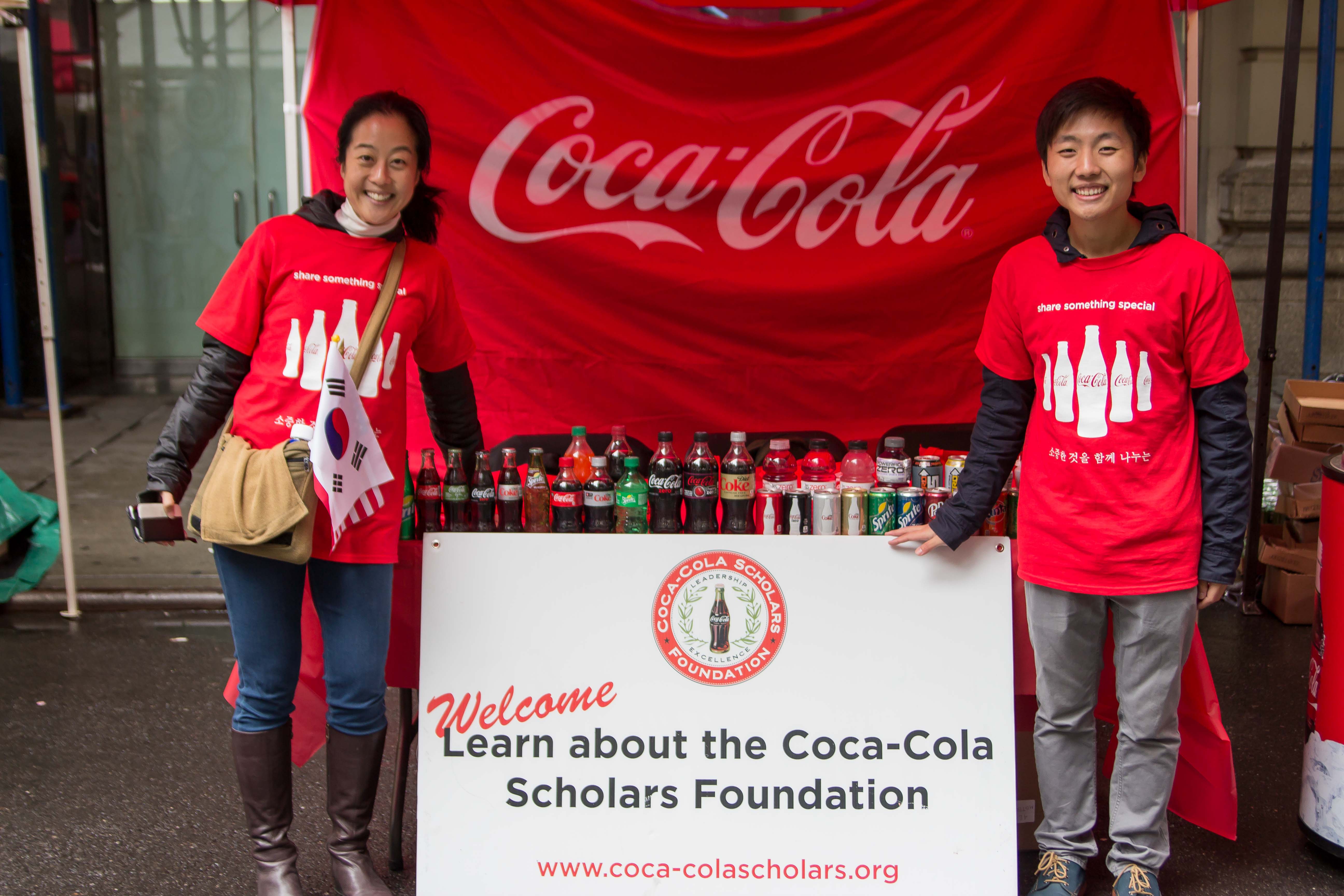
#1) Coca-Cola Scholars Program
Award Amount: $20,000
Application Deadline: September 30, 2025
Eligibility: High school seniors who demonstrate leadership, academic excellence, and commitment to their communities
The Coca-Cola Scholars Program stands as one of the most prestigious merit-based scholarships available to high school students. Each year, this program selects approximately 150 students around 100,000 applicants, making it highly competitive but exceptionally rewarding.
The application process begins on August 1, 2025, when the online portal opens. Students must complete a comprehensive application that includes:
-
Academic information and transcript verification
-
Detailed listing of extracurricular activities
-
Community service documentation
-
Leadership positions and responsibilities
-
Short answer questions about personal experiences and goals
What makes this scholarship unique is its focus on leadership development beyond just financial support. Recipients join a network of over 6,450 Coca-Cola Scholars and attend a Scholars Weekend in Atlanta, where they participate in leadership development activities and networking opportunities.
Application Tips:
-
Focus on demonstrating sustained leadership rather than simply listing activities
-
Highlight community impact with specific metrics and outcomes
-
Begin preparing your application materials in July to ensure a polished submission
-
Request recommendation letters from individuals who can speak to your leadership abilities
#2) Niche $15,000 Scholarship
Award Amount: $15,000
Application Deadline: Monthly drawings
Eligibility: Open to all high school students who are U.S. residents
The Niche $15,000 Scholarship offers a refreshingly straightforward application process compared to many other high-value grants. This no-essay scholarship operates through a monthly random drawing system, making it accessible to students regardless of academic standing or financial need.
To apply, students simply need to:
-
Create a free Niche account
-
Complete their profile with basic information
-
Confirm their entry in the monthly drawing
The $15,000 award can be used for college tuition, housing, books, or any other education-related expenses at any accredited college or university. What makes this opportunity particularly valuable is that students can re-enter each month, increasing their chances of winning over time.
Application Tips:
-
Set a monthly calendar reminder to confirm your entry
-
Complete your profile thoroughly to match with other scholarship opportunities on the platform
-
Follow Niche on social media for announcements about additional scholarship opportunities
-
Use a dedicated email address for scholarship applications to stay organized
#3) Stuck at Prom Scholarship

Award Amount: $15,000 (grand prize), with runner-up prizes of $5,000 and $1,000
Application Deadline: June 4, 2025
Eligibility: High school students attending prom
The Stuck at Prom Scholarship challenges students to showcase their creativity by creating prom attire using Duck Tape® brand duct tape. This unique scholarship rewards originality, craftsmanship, and artistic vision rather than traditional academic metrics.
The competition works in two phases:
-
Submission Phase: Students create their duct tape prom attire and submit photos online
-
Voting Phase: Public voting determines finalists, with winners ultimately selected by a panel of judges
Two grand prizes are awarded – one for a dress design and one for a tuxedo/suit design. The scholarship can be used at any accredited college, university, or vocational/technical school in the United States.
Past winners have created elaborate designs incorporating themes ranging from cultural heritage to environmental awareness, often using hundreds of hours and dozens of rolls of duct tape.
Application Tips:
-
Start your design early – successful entries often require 80-120 hours of work
-
Document your process with photos and videos
-
Create a compelling story behind your design
-
Consider incorporating current events or social themes into your concept
-
Mobilize your social network for the public voting phase
#4) Sigma Xi Grants-in-Aid of Research
Sigma Xi Members: $500 to $5,000 for graduate applicants and $500 to $2,000 for undergraduate applicants.
Non-members: Up to $1,000.
Application Deadlines: March 15, 2025, and October 1, 2025
Eligibility: High school students conducting independent research in science and engineering
The Sigma Xi Grants-in-Aid of Research program supports promising scientific research by high school students, undergraduate and graduate students. This biannual program specifically allocates funding for direct research expenses such as equipment, supplies, and travel to research sites.
The application requires:
-
A detailed research proposal (including methodology and significance)
-
Itemized budget and timeline
-
Letter of recommendation from a research advisor
-
Description of how the research contributes to the field
Both members and non-members are eligible to receive designated funds from the National Academy of Sciences, which provide grants of up to $5,000 for astronomy research and $2,500 for vision-related research.
Application Tips:
-
Clearly articulate the scientific significance of your research
-
Provide a detailed budget justification for each expense
-
Connect your research to broader scientific questions in your field
-
Include preliminary data if available
-
Be specific about your methodology and timeline
Grantboost’s AI-powered platform can help you structure your research proposal according to scientific standards that review committees expect. Our templates can help you articulate the significance of your research project and create a professional budget justification that strengthens your application.
#5) American Chemical Society Grants
Award Amount: Varies by program
Application Deadlines: Various throughout the year
Eligibility: High school students interested in chemistry and related sciences
The American Chemical Society (ACS) offers multiple grant programs for high school students passionate about chemistry. These opportunities range from research funding to chemistry club support and classroom enhancement grants.
Key ACS programs for high school students include:
-
Project SEED: Summer research opportunities for economically disadvantaged high school students, providing stipends of $3,200-$3,800
-
ACS Scholars Program: Scholarships for college education up to $5,000 per year for underrepresented minority students pursuing chemistry-related degrees
-
Chemistry Club Activity Grants: Up to $500 for high school chemistry clubs to fund activities and outreach
The application requirements vary by program but generally include:
-
Application form with personal information
-
Project description or research proposal
-
Recommendation letter(s)
-
Academic transcripts
-
Financial information (for need-based programs)
Application Tips:
-
Connect your proposal to real-world applications of chemistry
-
Demonstrate how your project will advance chemical education or research
-
Include specific, measurable outcomes for your proposed project
-
Show how the grant will benefit not just you but your school or community
#6) ACS-Hach High School Chemistry Classroom Grant
Award Amount: Up to $1,800
Application Deadline: June 1, 2025
Eligibility: High school chemistry teachers (funds benefit students directly)
The ACS-Hach High School Chemistry Classroom Grant supports chemistry teachers in enhancing classroom learning with innovative projects, equipment, and activities. While teachers apply for this grant, the funds directly benefit high school students through improved chemistry education.
High school teachers must submit:
-
Online application describing their proposed project
-
Detailed budget breakdown
-
Implementation timeline for the 2025-2026 academic year
-
Expected student impact and learning outcomes
-
Plan for evaluating project success
Successful applications typically focus on hands-on learning experiences, laboratory equipment upgrades, or innovative teaching methodologies that make chemistry more engaging and accessible to students.
Application Tips for Students Working with Teachers:
-
Collaborate with your chemistry teacher to develop compelling project ideas
-
Help research equipment costs and prepare the budget
-
Offer to write portions of the application describing student impact
-
Suggest ways to measure and document the project’s effectiveness
-
Propose creative ways to share project outcomes with the broader community
P.S. Our collaborative tools allow students and teachers to work together efficiently on grant applications, with AI assistance to help articulate the educational impact of proposed projects.
#7) Regeneron Science Talent Search
Award Amount: Up to $250,000
Application Deadline: Application will open on June 1, 2025.
Eligibility: Graduating high school seniors who have completed original research in science, math, or engineering
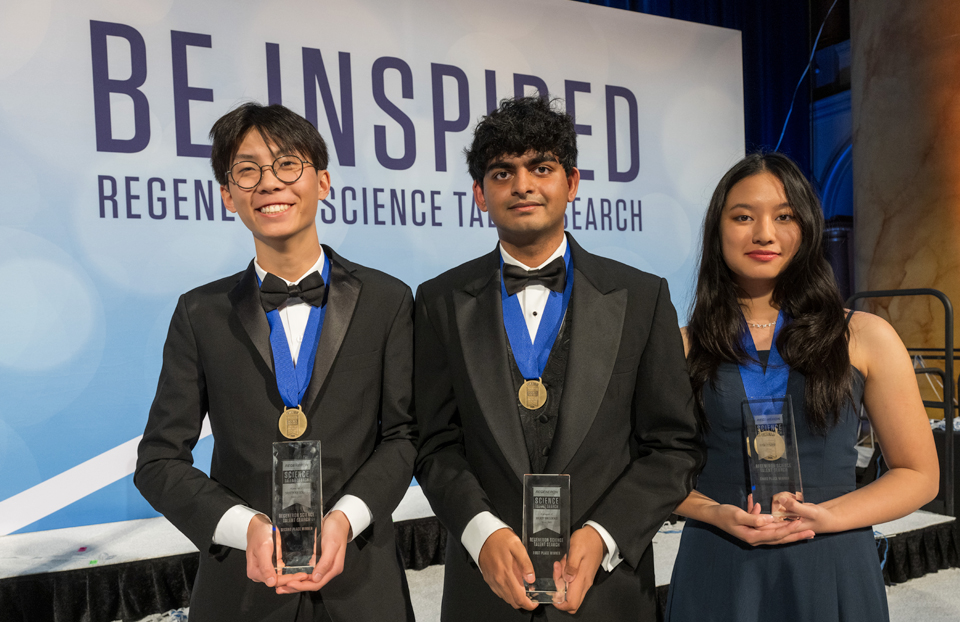
The Regeneron Science Talent Search stands as America’s oldest and most prestigious science competition, identifying and nurturing the next generation of scientific leaders. This rigorous competition evaluates students based on their original research projects and scientific thinking.
The comprehensive application includes:
-
Detailed research report (up to 20 pages)
-
Four essays on scientific interests and career goals
-
Recommendation letters from teachers and research mentors
-
Academic records and standardized test scores
-
Research project abstract and bibliography
The competition unfolds in stages:
-
All applicants receive thorough review by scientists and researchers
-
The top 300 scholars receive $2,000 each, with their schools also receiving $2,000
-
40 finalists are selected to attend a week-long competition in Washington, D.C.
-
Finalists compete for awards ranging from $25,000 to the top prize of $250,000
Application Tips:
-
Begin your research project early (ideally junior year or earlier)
-
Focus on originality and scientific rigor in your research
-
Seek mentorship from professional scientists when possible
-
Document your research process meticulously
-
Practice explaining your research to non-specialists
Grant writing can be time-consuming, we get it. That’s why Grantboost generates proposal drafts based on the industry’s best practices, providing you with ready-to-submit content that clearly articulates the significance and methodology of your research project.
#8) Davidson Institute Fellows Scholarship
Award Amount: $50,000, $25,000, or $10,000
Application Deadline: To be announced (typically Fall 2025)
Eligibility: Students 18 or younger who have completed a significant piece of work in science, technology, mathematics, literature, music, philosophy, or “outside the box”
The Davidson Institute Fellows Scholarship recognizes extraordinary young people who have created significant projects demonstrating exceptional levels of achievement. This prestigious program looks for work that experts in the field recognize as significant and that has the potential to make a positive contribution to society.
The application requires:
-
Detailed project or portfolio submission
-
Essays describing the work’s significance and impact
-
Recommendation letters from mentors familiar with the work
-
Evidence of the project’s originality and importance
-
Documentation of any recognition already received
Fellows attend a special recognition event in Washington, D.C., with travel expenses covered, and join a network of exceptional young scholars. Beyond the financial award, the program provides mentorship, networking opportunities, and support for continued development of fellows’ work.
Application Tips:
-
Focus on projects that demonstrate depth, complexity, and originality
-
Clearly articulate how your work contributes to your field
-
Include evidence of the real-world impact or potential of your project
-
Seek feedback from experts in your field before submitting
-
Be prepared to discuss your work in-depth during interviews
Applying for multiple grants? Grantboost can help! Simply paste or input grant opportunity details, and the AI will extract and analyze the information to craft effective, tailored responses, saving you time and ensuring your proposals align with each grant’s specific requirements.
#9) Society for Science STEM Research Grants
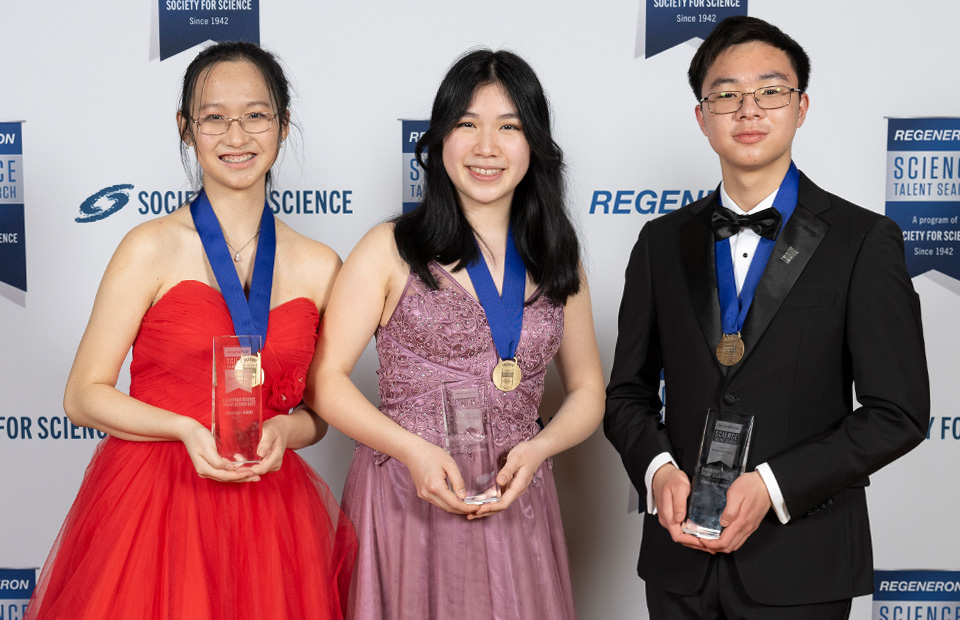
Award Amount: Up to $5,000 to purchase specialized equipment or $1,000 in preselected equipment to support many students in STEM research
Application Deadline: To be opened soon. Check the website to stay updated.
Eligibility: Teachers apply on behalf of students in middle and high schools, with priority given to schools serving underrepresented students
The Society for Science STEM Research Grants program provides funds for teachers to purchase equipment and supplies needed for student research projects. While teachers submit the applications, the grants directly benefit students by enabling hands-on research experiences.
Teacher applications must include:
-
Detailed description of proposed student research projects
-
Equipment and supply needs with itemized costs
-
Expected educational outcomes and impact
-
Plan for involving underrepresented students in research
-
Strategy for sustaining research opportunities beyond the grant period
Priority is given to schools where at least 50% of students come from low-income households or are underrepresented in STEM fields. The program aims to create research opportunities for students who might otherwise lack access to advanced scientific equipment and mentorship.
Application Tips for Students Working with Teachers:
-
Collaborate with your teacher to identify specific research equipment needs
-
Help develop compelling project proposals that demonstrate educational impact
-
Suggest ways to involve multiple students in the research
-
Propose methods for sharing research findings with the broader community
-
Consider how the equipment could benefit future students beyond your project
#10) National Science Foundation Research Assistantships
Award Amount: Up to $6,000
Application Deadline: Rolling (applications accepted year-round)
Eligibility: High school students from groups underrepresented in STEM fields, including racial and ethnic minorities, students with disabilities, and those from low-income backgrounds
The National Science Foundation (NSF) supports high school student research through two main opportunities:
-
High School Student Research Assistantships (MPS-High) for mathematical and physical sciences
-
Research Assistantships for High School Students (RAHSS) for biological sciences
Unlike most grants where students apply directly, these opportunities require a Principal Investigator (PI) with an active NSF grant to submit the application and supervise the student’s research. This creates valuable mentorship relationships between high school students and established researchers.
The application process involves:
-
Identifying potential research mentors at nearby universities or research institutions
-
Contacting professors to express interest in their research
-
Working with the PI to develop a research plan
-
The PI submitting a supplemental funding request to their existing NSF grant
Application Tips:
-
Research local universities to identify professors with NSF funding in your area of interest
-
Prepare a resume highlighting your academic achievements and interest in STEM
-
Draft a professional email introducing yourself and expressing specific interest in the researcher’s work
-
Be prepared to discuss how the research experience aligns with your educational goals
-
Follow up respectfully if you don’t receive a response within two weeks
Read Next: How Long Do Grants Take to Write? (An Honest Answer)
Types of Grants Available for High School Students
Before diving into specific opportunities, it’s important to understand the different categories of grants available to high school students. This knowledge will help you target the right opportunities based on your qualifications and needs.
Field-Specific Grants
Here are some of the field-specific grants you can explore in 2025-2026:
Research and STEM-Focused Grants
STEM fields continue to see substantial grant funding in 2025, with numerous opportunities for high school students interested in science, technology, engineering, and mathematics.
Science Research Opportunities
Beyond the Sigma Xi, Regeneron, and NSF programs mentioned earlier, several additional science research grants are available to high school students:
Junior Science and Humanities Symposium (JSHS): Offers scholarships in STEM fields, with regional competitions leading to a national symposium.
| Competition Level | Place | Prize Amount |
|---|---|---|
| Regional Level | First Place | $2,000 |
| Second Place | $1,500 | |
| Third Place | $1,000 | |
| Oral Competition | First Place (Oral) | $12,000 |
| Second Place (Oral) | $8,000 | |
| Third Place (Oral) | $4,000 | |
| National Poster Competition | First Place (Poster) | $550 |
| Second Place (Poster) | $450 | |
| Third Place (Poster) | $350 |
-
Google Science Fair: Provides awards for innovative science projects, with global participation welcome. The grand prize winner will receive a college scholarship worth $50,000 to provide financial support, and $15,000 scholarships in special prize categories
-
Intel International Science and Engineering Fair (ISEF): Awards approximately $9 million annually to student researchers, with top prizes including $75,000 scholarships and research trips.
-
XPRIZE Student Competitions: Offers various prize amounts for student teams solving specific scientific challenges, with mentorship from industry professionals.
These programs typically require:
-
Original research projects with clear methodology
-
Detailed documentation of experimental procedures
-
Analysis of results and conclusions
-
Presentation skills for defending your research
-
Ability to connect your work to real-world applications
Research Grant Application Strategy:
-
Identify a research question that genuinely interests you
-
Secure mentorship from a teacher or professional scientist
-
Develop a realistic timeline and methodology
-
Document your process meticulously with photos and data
-
Practice explaining your research to non-specialists
-
Connect your findings to broader scientific questions
Technology and Engineering Grants
Students interested in technology and engineering can access specialized funding through these programs:
-
3M Young Scientist Challenge: Awards $25,000 plus mentorship for middle school students with innovative solutions to everyday problems.
-
Research in the Formation of Engineers (RFE): Supports high school engineering programs with grants up to $350,000 for 36 months.
-
FIRST Robotics Scholarships: Provides over $80 million in scholarships to participants in FIRST robotics competitions.
-
Siemens Competition in Math, Science & Technology: Awards scholarships ranging from $1,000 to $100,000 for individual and team projects.
These technology-focused opportunities often emphasize:
-
Practical problem-solving abilities
-
Prototype development and testing
-
Collaborative teamwork skills
-
Communication of technical concepts
-
Real-world applications of technology
Engineering Grant Success Factors:
-
Focus on solving practical problems with innovative approaches
-
Document your design process, including failed attempts
-
Create working prototypes whenever possible
-
Demonstrate how your solution improves upon existing technologies
-
Consider cost-effectiveness and scalability in your design
Looking to create a compelling engineering grant application? Grantboost’s AI-powered grant writing tool can help you create more persuasive research proposals based on proven strategies. Our templates help you articulate the technical aspects of your work in accessible language that resonates with selection committees.
Specialized Grant Opportunities
Beyond general grants, specialized opportunities exist for students with particular talents, interests, or backgrounds.
Contest-Based Scholarships
Contest-based scholarships evaluate specific skills or talents through competitive submissions. These opportunities often appeal to creative students or those with specialized interests.
Creative Scholarships (Writing, Art, Video)
-
YoungArts Competition: Provides up to $10,000 plus mentorship opportunities in visual, literary, design, and performing arts.
-
Frame My Future Scholarship: Awards $5,000 for creative expressions of future career goals through original artwork, photography, poetry, or essays.
STEM Competition Grants
-
Conrad Challenge: Offers scholarships and entrepreneurial opportunities for innovative STEM solutions to real-world problems.
-
Science Olympiad Scholarships: Provides college funding for participants in national Science Olympiad competitions.
-
MathWorks Math Modeling Challenge: Awards up to $20,000 for teams solving real-world problems using mathematical modeling.
Community Impact Contests
-
Gloria Barron Prize for Young Heroes: Awards $10,000 to young people making significant positive impacts on people, communities, or the environment.
-
DoSomething.org** Scholarships**: Offers various scholarships for community action projects addressing specific social issues.
Contest Application Strategy:
-
Choose contests aligned with your genuine interests and strengths
-
Read winning entries from previous years to understand expectations
-
Start early to allow time for multiple revisions
-
Get feedback from teachers or professionals in the field
-
Follow submission guidelines exactly, including formatting requirements
Hit your funding goals with Grantboost 🪄
For individuals and teams looking to secure more funding with less effort. Streamline your grant-writing process, stay organized, and achieve better results with proven templates and AI-driven support.
Organization-Specific Grants
Many organizations offer grants specifically for students with connections to their membership or mission. These opportunities often have less competition than broader scholarships, making them valuable targets for eligible students.
Military Family Scholarships
-
Military Child of the Year Award: Provides $10,000 to outstanding military children who demonstrate resilience, leadership, and academic excellence.
-
ThanksUSA Scholarship Program: Awards up to $3,000 to children and spouses of active-duty military personnel.
-
Scholarships for Military Teens: Offers $2,000 grants to children of active duty, reserve/guard, or retired military commissary customers.
Military family scholarships typically require:
-
Documentation of military service connection
-
Evidence of academic achievement (usually 3.0+ GPA)
-
Community involvement and leadership
-
Essays about how military life has shaped your perspective
Corporate-Sponsored Grants
-
Amazon Future Engineer Scholarship: Provides $40,000 ($10,000/year for 4 years) plus a paid internship at Amazon for students pursuing computer science degrees.
-
Burger King Scholars Program: Awards scholarships ranging from $1,000 to $60,000 to high school seniors with strong academic records and community service.
-
Taco Bell Live Más Scholarship: Offers $5,000-$25,000 for students pursuing their passions, with no GPA requirements or essays! They do require just a 2-minute video about your passion.
Corporate scholarships often look for:
-
Alignment with the company’s values and mission
-
Potential for future industry leadership
-
Diverse perspectives and backgrounds
-
Genuine interest in the company’s field
Community Foundation Opportunities
-
Local Community Foundation Scholarships: Most communities have foundation-managed scholarship funds specifically for local students.
-
Regional Educational Service Centers: Many educational service districts administer scholarships for students in their geographic area.
-
County-Specific Grants: Some counties offer grants exclusively for residents pursuing higher education.
The advantage of community-based scholarships is their localized focus, which significantly reduces the applicant pool. Research local opportunities by:
-
Contacting your school’s guidance office
-
Checking your city or county’s website
-
Reaching out to local civic organizations (Rotary, Kiwanis, Lions Club)
-
Searching your community foundation’s scholarship database
Field-specific grants target students pursuing particular academic disciplines or career paths. These specialized funding opportunities support students with specific interests, talents, or career goals in areas ranging from STEM fields to arts and humanities.
BTW, Grantboost’s AI-powered platform assists high school students in creating tailored grant proposals for field-specific opportunities. You can quickly generate applications that highlight your relevant experiences and achievements in your chosen field, whether that’s scientific research, artistic accomplishments, or community service projects.
Government-Sponsored Grant Programs
Beyond private foundations and organizations, the federal grants offer substantial grant funding for high school students. Understanding these programs is essential for maximizing your financial aid package.
National Science Foundation (NSF) Opportunities
The National Science Foundation supports science education through various programs targeting high school students. Beyond the research assistantships mentioned earlier, the NSF funds several initiatives that benefit high school students:
-
Advanced Technological Education (ATE): Supports programs that prepare students for careers in high-technology fields, often through partnerships between high schools and community colleges. The deadline is 2nd, October 2025.
-
Innovative Technology Experiences for Students and Teachers (ITEST): Funds projects that engage students in technology-rich experiences to build STEM skills
-
Discovery Research PreK-12 (DRK-12): Supports research and development projects that enhance STEM learning for students from prekindergarten through high school
While students don’t apply directly to these programs, they can benefit by participating in NSF-funded initiatives at their schools or in their communities. To find these opportunities:
-
Visit the NSF website and search for funded projects in your area
-
Contact your school’s STEM coordinator about potential NSF partnerships
-
Look for summer programs at local universities that receive NSF funding
-
Ask science teachers about professional development programs they participate in that might include student components
Pro Tip: When participating in NSF-funded programs, document your experience thoroughly. This participation can strengthen your applications for other grants and scholarships by demonstrating your commitment to STEM education.
National Institutes of Health (NIH) Programs
The National Institutes of Health offers several programs designed to engage high school students in biomedical research and health sciences:
-
Science Education Partnership Award (SEPA): Funds educational activities related to health sciences at K-12 schools and science centers
-
Short-Term Research Experience for Underrepresented Persons (STEP-UP): Provides summer research opportunities for high school students from underrepresented backgrounds
-
High School Scientific Training and Enrichment Program (HiSTEP): Offers summer research experiences at NIH facilities for students from underrepresented backgrounds
To find participating programs:
-
Visit the NIH Office of Science Education website
-
Search for SEPA-funded projects in your geographic area
-
Contact your school’s science department about potential partnerships
-
Look for summer programs at medical schools and research hospitals
Eligibility criteria typically include:
-
U.S. citizenship or permanent residency
-
Minimum GPA requirements (usually 3.0 or higher)
-
Interest in biomedical or health sciences
-
For some programs, membership in an underrepresented group in science
Application Tip: NIH programs often require essays explaining your interest in biomedical research. Focus on specific health issues or research questions that motivate you, rather than general statements about wanting to help people.
Monthly and No-Essay Scholarship Opportunities
While many major grants have specific annual deadlines, monthly and no-essay scholarships provide ongoing opportunities throughout the year. These programs often have simpler application processes, making them accessible to busy high school students.
Monthly Application Scholarships
Monthly scholarships offer regular opportunities to secure funding with frequent application cycles. Benefits of these recurring opportunities include:
-
Multiple chances to win throughout the year
-
Ability to refine your application based on previous attempts
-
Less competition compared to annual scholarships
-
Consistent application deadlines that are easier to remember
Currently available monthly scholarships for 2025-2026 include:
| Scholarship Name | Award Amount | Eligibility | Requirements |
|---|---|---|---|
| Niche Monthly Scholarship | $15,000 | All high school students | Create account and complete profile |
| Bold.org** No-Essay Scholarship** | $25,00 | U.S. students | Create profile and answer brief questions |
| Cappex Easy Money Scholarship | $1,000 | High school and college students | Create account and complete profile |
| ”No Essay” College Scholarship | $2,000 | High school and college students | Create account and complete profile |
| Courage to Grow Scholarship | $500 | High school juniors and seniors with 2.5+ GPA | 250-word essay on why you deserve the scholarship |
| Strategy for Monthly Applications: |
-
Create a dedicated email address for scholarship applications
-
Set up a recurring calendar reminder for each monthly deadline
-
Save basic information in a document for easy copy-pasting
-
Track your applications in a spreadsheet to avoid duplications
-
Customize any short answer responses for each submission
No-Essay Scholarships
No-essay scholarships eliminate one of the most time-consuming aspects of grant applications, making them particularly attractive to busy students. These opportunities typically require basic information rather than extensive writing samples.
The no-essay application process usually involves:
-
Creating an account on the scholarship platform
-
Completing a profile with personal and academic information
-
Answering brief questions about educational plans
-
Submitting contact information for award notification
Current no-essay opportunities for 2025-2026 include:
| Scholarship Name | Award Amount | Application Process | Special Requirements |
|---|---|---|---|
| ”No Essay” College Scholarship | $2,000 | Create profile on Niche | None |
| ScholarshipPoints Scholarship | $10,000 | Earn points by completing activities | None |
| College Fund Scholarship | $1,500 | Register on Peterson’s | Must be planning to attend college |
| Tallo Monthly Scholarship | $1,000 | Create profile on Tallo | Complete profile 100% |
| CollegeXpress Scholarship | $500 | Register on CollegeXpress | None |
| Tips for Standing Out in No-Essay Applications: |
-
Complete every optional field in your profile
-
Update your profile regularly with new achievements
-
Join related groups or communities on the platform
-
Participate in additional activities to increase visibility
-
Apply consistently each month to maximize chances
Read Next: Top Types of Grants: A Comprehensive Guide to Funding Opportunities
Tips for Successful Grant Applications
Creating standout grant applications requires more than just meeting basic requirements. These strategies will help you maximize your chances of success in a competitive funding landscape.
Creating a Standout Application
Highlighting Achievements Effectively
The key to showcasing achievements is providing context and impact, not just listing accomplishments:
-
Use the CAR method: Challenge, Action, Result
-
Challenge: What problem or situation did you face?
-
Action: What specific steps did you take?
-
Result: What measurable outcomes did you achieve?
-
-
Quantify whenever possible: Instead of “I raised money for charity,” say “I organized a fundraiser that generated $3,500 for the local food bank, providing meals for 250 families.”
-
Connect achievements to future goals: Show how your past accomplishments have prepared you for your educational and career aspirations.
Crafting Compelling Personal Statements
Effective personal statements tell a cohesive story about who you are:
-
Start with a hook: Begin with an engaging anecdote, surprising fact, or thought-provoking question.
-
Find your unique angle: Identify what makes your perspective or experience different from other applicants.
-
Show, don’t tell: Use specific examples and sensory details rather than general statements about your character.
-
Address the prompt directly: Ensure your statement answers any specific questions posed in the application.
-
Maintain authentic voice: Write in a way that genuinely reflects your personality and communication style.
Securing Strong Recommendation Letters
Quality recommendations can significantly strengthen your application:
-
Choose recommenders strategically: Select individuals who know you well in different contexts (academic, extracurricular, community).
-
Provide supporting materials: Give recommenders your resume, relevant achievements, and specific points you’d like them to address.
-
Request letters early: Allow at least 3-4 weeks before the deadline.
-
Follow up respectfully: Send polite reminders as the deadline approaches.
-
Express gratitude: Thank recommenders with a handwritten note, regardless of the application outcome.
Read Next:
-
The Art of the Ask | Writing the Letter of Inquiry for a Grant
-
Writing a Letter of Support for Grants: Examples and Frameworks
-
Grant Letter of Intent: How to Write One, Examples + Templates
Common Application Mistakes to Avoid
Even qualified applicants can sabotage their chances by making these preventable errors:
Missing Deadlines
Late applications are typically automatically disqualified, regardless of quality:
-
Create a master calendar: Document all deadlines in one centralized location.
-
Set multiple reminders: Schedule alerts 2 weeks, 1 week, and 3 days before each deadline.
-
Submit early: Aim to complete applications at least 48 hours before the deadline to allow for technical issues.
-
Account for time zones: Note whether deadlines are in your local time or another time zone.
-
Check submission confirmation: Verify that your application was successfully received.
Incomplete Applications
Missing components can disqualify otherwise strong candidates:
-
Create a checklist: List all required elements for each application.
-
Review application instructions twice: Ensure you understand all requirements.
-
Organize supporting documents: Keep transcripts, test scores, and financial documents readily accessible.
-
Save copies of everything: Maintain records of all submitted materials.
-
Have someone else review: Ask a trusted person to check your application for completeness.
Generic Essays and Responses
Cookie-cutter applications fail to make a memorable impression:
-
Research each opportunity thoroughly: Understand the organization’s values and mission.
-
Customize each application: Tailor your responses to align with the specific grant’s priorities.
-
Address selection criteria directly: Explicitly show how you meet each requirement.
-
Avoid recycling content: While you can use similar themes across applications, rewrite each essay for its specific context.
-
Incorporate relevant keywords: Include language from the grant description in your responses.
Overlooking Eligibility Requirements
Applying for grants you don’t qualify for wastes valuable time:
-
Read eligibility criteria carefully: Check all requirements before starting an application.
-
Verify your qualifications: Ensure you meet GPA minimums, residency requirements, field of study restrictions, etc.
-
Consider “preferred” vs. “required”: Some criteria may be preferences rather than absolute requirements.
-
Contact administrators with questions: If eligibility is unclear, reach out for clarification.
-
Focus on grants with the best fit: Prioritize opportunities where you meet all criteria and align strongly with the organization’s goals.
Now That You Know About High School Introducing Grantboost
Finding and applying for high school grants requires dedication, organization, and compelling writing. But as you’ve seen, the potential rewards make this effort worthwhile, with opportunities ranging from $500 to $250,000 available to qualified students.
The good news? You don’t have to navigate this process alone. Grantboost’s AI-powered grant writing platform is specifically designed to help students create compelling grant applications in a fraction of the time.
Key Takeaways:
-
Grant opportunities exist for every type of student, whether you excel academically, demonstrate financial need, or have specific talents in STEM, arts, or community service
-
Application deadlines cluster primarily in fall 2025, making summer the ideal time to prepare your materials and research opportunities
-
Personalized applications perform significantly better than generic submissions, tailor each application to the specific grant’s priorities
-
Government programs like Pell Grants Awarded based on financial need, complete your FAFSA as early as possible
-
AI tools like Grantboost can transform your application process, saving time while improving quality
Ready to transform your grant application process? Grantboost’s AI assistant can help you create compelling, compliant proposals that stand out to reviewers. Try Grantboost free today and see how much time you can save on your next grant application!
Ready to take your grant writing up a notch?
For individuals and teams looking to secure more funding with less effort. Streamline your grant-writing process, stay organized, and achieve better results with proven templates and AI-driven support.
Read Next:
Further Reading
- U.S. Department of Education
- College Board Scholarship Search
- Fastweb (scholarship database)
- Grants.gov (federal funding portal)
Disclaimer: Grant programs, eligibility rules, deadlines, and policies vary by region and change frequently. The information in this article is for general informational purposes only and may not reflect the current rules in your area. Always consult a local grant writer or qualified expert in your region for advice specific to your organization, project, and jurisdiction.